


A soil test is cheap. A trend is not. One test, one year, is a snapshot with no context — it tells you almost nothing. The value is in comparing this year to last. And trends only work if the method never changes.
Sample so this year compares to last
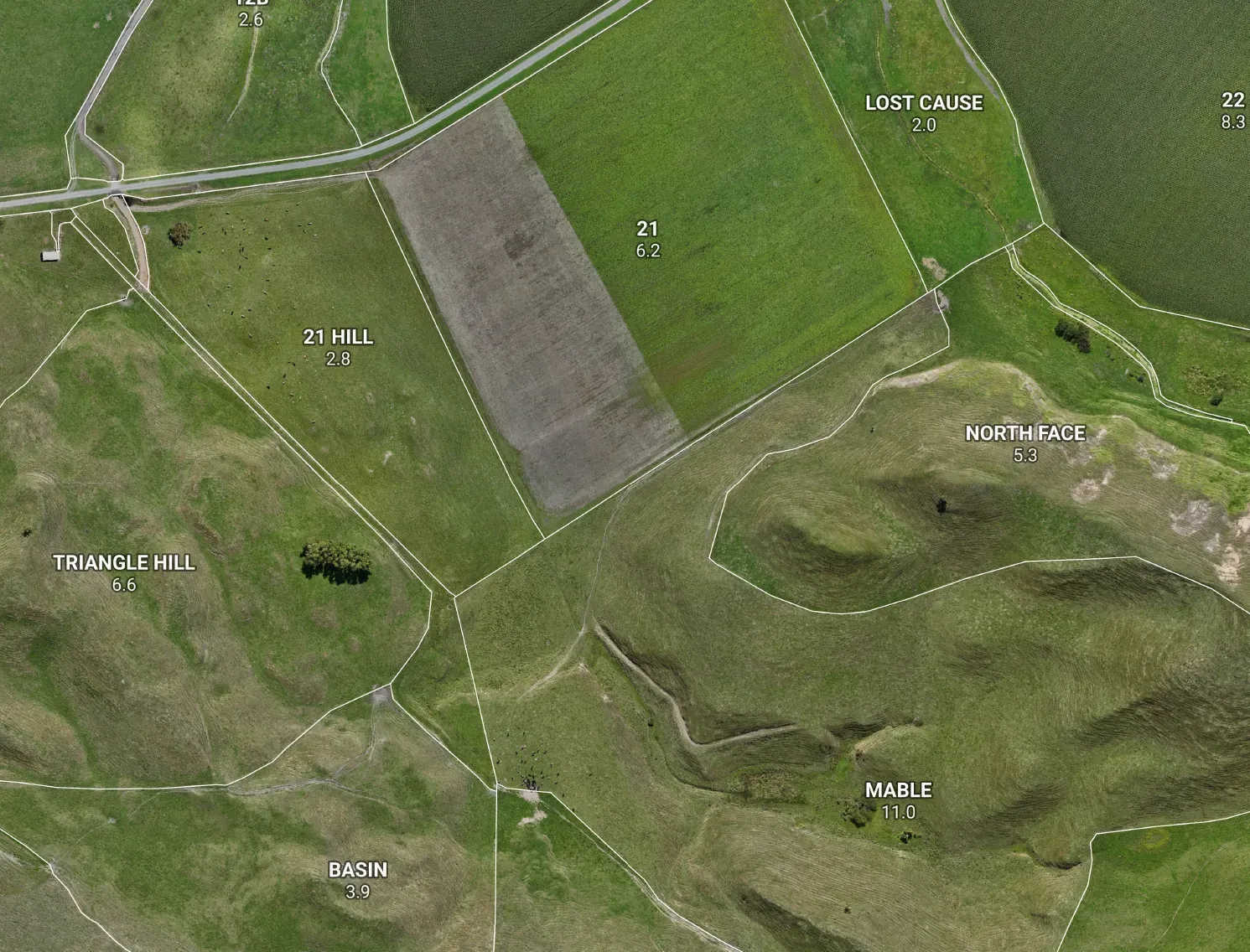
- Same transects. Walk the same line across the same paddock each time, and mark it on the map. A transect you can’t find again is one you can’t trend.
- Same season. Olsen P, pH and sulphate all drift with the season and recent fertiliser. Test in the same window every year — late summer to autumn is the usual call.
- Enough cores. 15–20 cores bulked into one sample per transect. A handful from one spot just measures that spot.
- Dodge the liars. No gateways, troughs, fence lines, stock camps or dung patches. They’ll skew every result.
Sample by how you farm, not by paddock
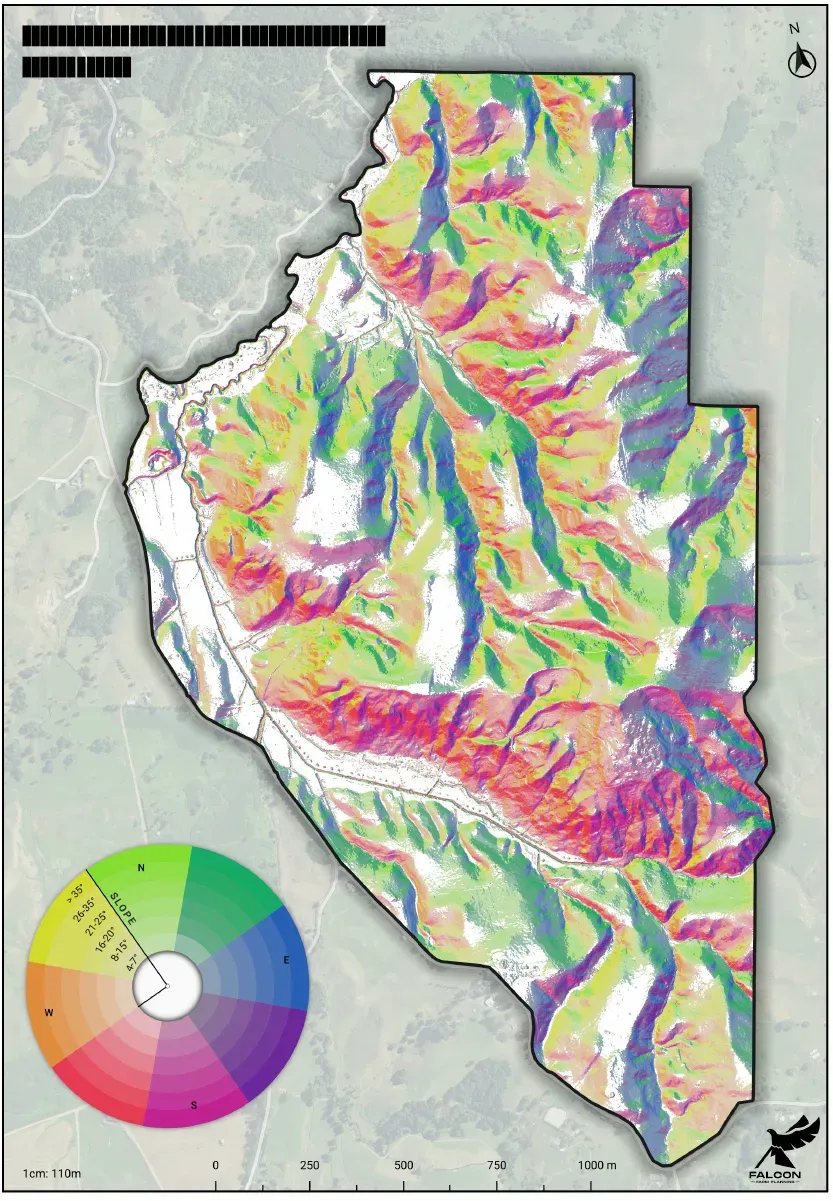
Group blocks that behave alike — similar soil, slope, drainage and management — and test them as one unit. It’s the same logic as a Land Management Unit, and it pays off twice: the data matches how you actually graze the block, and it drops straight into a nutrient budget, where the blocks are meant to match your management units anyway.
Test a river flat and a dry hill face as one sample and you’ve averaged away the answer you paid for.
Read the four numbers that change a decision
- Olsen P — plant-available phosphorus. The main lever on maintenance versus capital P.
- pH — drives lime, and quietly governs how available everything else is. Most NZ pasture is happiest around 5.8–6.2.
- Quick-test K and S — whether potassium or sulphur is the thing actually holding the pasture back.
- ASC (anion storage capacity) — how much P the soil locks up, which changes how you read the Olsen P.
You don’t need every line on the report to mean something. These four usually drive the call.
Put every sample on the map
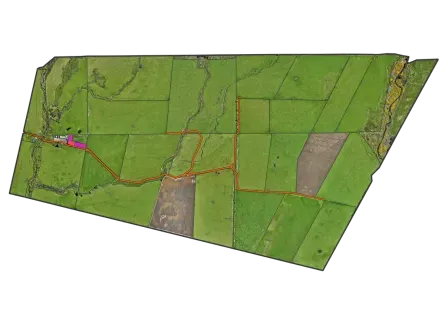
Mark each transect and sampling site as a point, with the date. Do it for three seasons and your soil data stops being a drawer of loose PDFs and becomes a record — one you can hand an adviser, drop into a fertiliser plan, or show an auditor as proof of monitoring.
Same spade, same lab, same paddocks. The only thing that changed is that you can now compare — and that’s the whole point.